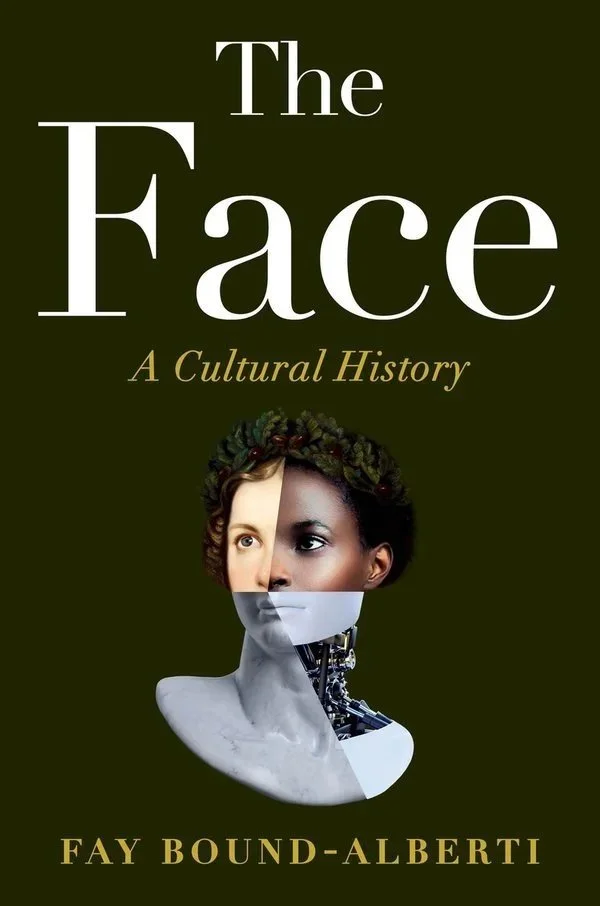
The first thing you learn about the author is that she has prosopagnosia, or Face Blindness, and doesn’t have the ability to recognize faces. An utterly fascinating viewpoint to have in this examination of the west’s fascination, obsession and commodification of the very thing she is blind to.[1] In fact, she has dedicated her life’s work to studying this enigma.
The chapters are less in temporal order, but in order of invention and cultural importance. She begins discussing ancient art, how faces were less defined, items within the image giving information about who the subject is, rather than recognizing them outright. She even used my favorite medieval missing person cold closed case: Richard III. [2]
By the time society and innovation moves on to photography, the pseudo-science of physiognomy had taken root. Now people were able to see plainly the faces of monarchs and perpetrators, “scientists” began to assign societal implications to facial features. An overbite indicated lower intelligence; a large nose signified corruption. These obviously had vast racial ramifications, especially in the justice system. People used to see a photograph and think they could Minority Report the potential criminal activity of a person.
Then Bound-Alberti moves onto mirrors and the self-awareness that come with the proliferation of mirrors in everyday life. From there she then explores the commodification of the face with advertisement and cosmetic surgery as well as the advancements of facial recognition.
She ends the book on a deeply philosophical chapter on face transplants. We, as a culture, as a society, have given such importance to the face that suddenly switching it in the middle of ones existence can be life-altering. [3] The reality of looking in a mirror and seeing a face that is not yours but is also part of you would be a jarring experience for anyone.
Bound-Alberti’s voice is unique. The way she organized the topics in this book seems haphazard at first but then they slowly came together, building upon the last. This book is approachable for anyone who has ever been fascinated by our species and our cultures fascination with the Face.
I feel like it would be writing a book about…. well a book about human faces when you cannot distinguish between any two faces around you. Ok, I can’t think of a metaphor as the reality is more interesting!
I love Dick #3! I used the once-thought-ambiguous disability in my college thesis about disability in the middle ages and how the so-called Humanism movement changed people’s perception of those who have abilities different than the general public (and it wasn’t in a positive nor “more advanced” way than the people of the medieval period.)
In more than just the obvious sense, I mean. You’ll just have to read the book to really get the heart of what she discusses in this beautiful chapter.